
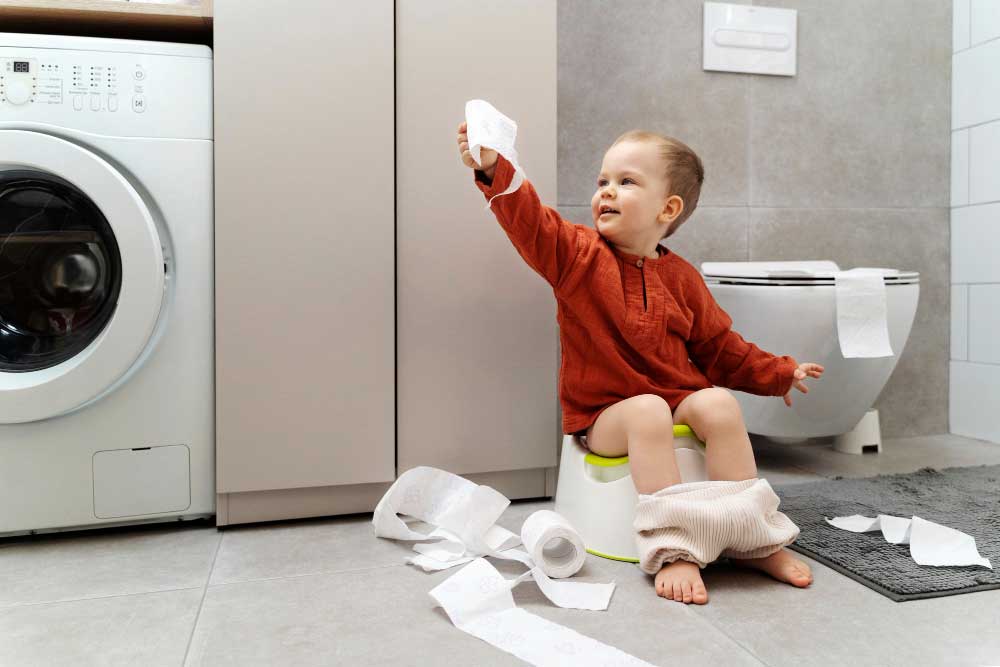
Skip the stress and power struggles. Learn proven, gentle potty training methods from a certified consultant to help your toddler succeed with ease.
Every parent knows the moment is coming — the day your child is ready to say goodbye to nappies. But what’s often painted as a quick milestone can become one of the most frustrating parenting stages. Endless messes, refusals, tears, or regressions can leave even the calmest mum wondering, “Am I doing this wrong?”
If you’ve ever felt that way, you’re not alone. As a certified sleep and potty training consultant, I’ve worked with hundreds of families who start potty training excited and hopeful, only to end up overwhelmed and second-guessing themselves. The truth is: potty training isn’t a test of parenting skill. It’s a gradual learning process that works best when led with structure, patience, and empathy.
The goal isn’t just a dry child — it’s to help your toddler feel confident, independent, and proud of their progress. And that can only happen when we remove the pressure and focus on connection instead of control.
Here Are 6 Gentle Potty Training Tips For You
1. Know When Your Child Is Ready for Potty Training
One of the biggest mistakes parents make is starting too early. Successful toddler potty training requires physical, emotional, and developmental readiness — not just age.
Signs your child is ready include:
- Showing interest in the toilet
- Staying dry for at least two hours
- Expressing discomfort with wet nappies
- Following simple instructions
If your child resists sitting on the potty or becomes anxious, they’re not ready yet. Starting too early often leads to battles that slow progress. Waiting a few extra weeks (or months) can save you months of frustration later.
2. Create a Calm, Consistent Potty Routine
Children thrive on predictability. When they know what comes next, they feel safe to try new things.
Tips for a toddler potty training routine:
- Schedule potty breaks after waking up, after meals, and before bedtime
- Keep the environment calm and pressure-free
- Use gentle phrases like, “Let’s try to sit on the potty and see what happens” instead of, “You need to go now”
One client — a mum with a very active two-year-old — struggled because her daughter would sit for two seconds and run away. We adjusted their approach: no forcing, no timers, just calm encouragement and praise. Within two weeks, her daughter started using the potty independently because she associated it with comfort, not control.
3. Use Positive Reinforcement and Avoid Punishment
Your toddler isn’t being stubborn — they’re learning a new skill that involves body awareness and control. Celebrate progress in small steps:
- Verbal praise: “You listened to your body!”
- Sticker charts for every successful attempt
Avoid shaming, scolding, or comparisons. When accidents happen (and they will), calmly say, “It’s okay. Next time, we’ll try again.” Children who associate toileting with safety and pride are more likely to stay consistent long-term.
4. Remove the Pressure — For Both You and Your Child
Potty training under stress rarely works. When parents are anxious or rushed, children feel it.
Tips to reduce pressure:
- Avoid starting during major life transitions (moving, school start, new sibling)
- Choose a period when you can give focused attention for a few days
- Remember: you’re a team — the goal is progress, not perfection
Even small wins like sitting on the potty willingly or telling you they went in their nappy are milestones worth celebrating.
5. Handle Night-Time Potty Training Separately
Night-time dryness develops later than daytime control. Some toddlers master daytime potty use by age two but still need nappies overnight for another year or more.
Night-time potty tips:
- Reduce liquids close to bedtime
- Encourage regular toilet use before sleep
- Praise dry nights without pressure
Avoid pushing or punishing your child for night-time accidents. The bladder matures at different rates, and this is completely normal.
6. How to Handle Potty Training Regression
Even after successful potty training, regression is common. Illness, stress, school transitions, or changes in caregivers can trigger setbacks.
Tips for regression:
- Stay patient and calm
- Return to basics: routine, reassurance, gentle encouragement
- Celebrate small wins again
One client had a three-year-old who suddenly started having accidents after welcoming a baby sibling. With gentle reassurance and one-on-one time, the child regained confidence and returned to full potty independence within a week.
Potty Training Transformation Is Possible
Potty training doesn’t have to be chaotic. With structure and patience, it becomes a bonding experience and teaches your child self-trust, confidence, and independence.
Families often start feeling anxious but end feeling empowered. They go from cleaning endless messes to proudly saying, “We did it — and it wasn’t nearly as hard as I thought.”
If you’d like a step-by-step approach that works, explore my MummyClinicc Sleep and Potty Training Programs, designed to help parents build calm, consistent routines that actually work for their home. Visit https://mummyclinicc.selar.com/pottytraining to get started.